
No.50
Profile of No.50 Township, Southwest State, Somalia
Geographic Information
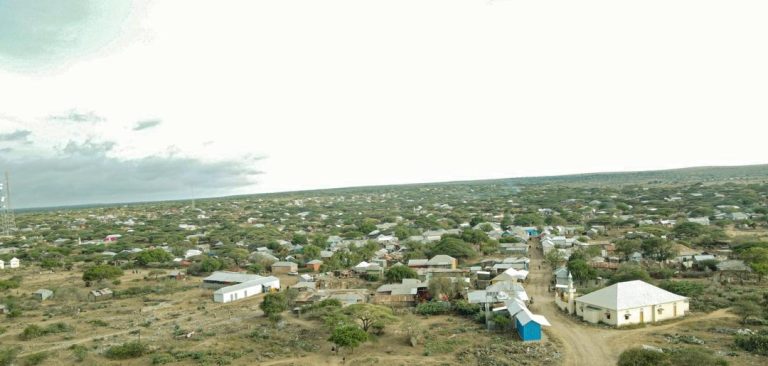
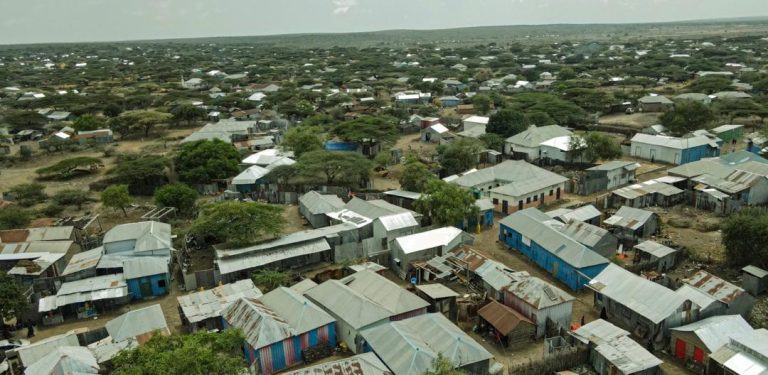
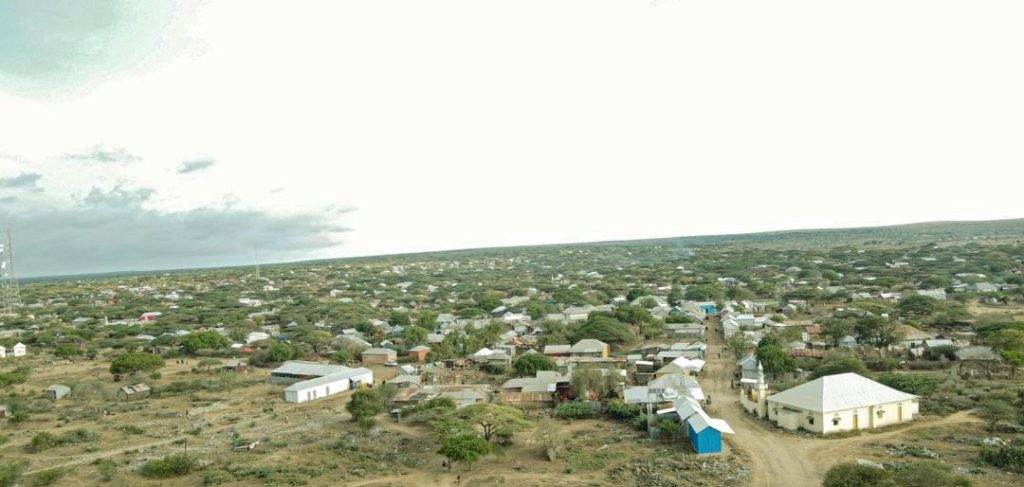
Lambar 50 is a rural township located in the Southwest State of Somalia, within the Shabeellaha Hoose region. Geographically, it is situated on a wide and expansive flat terrain. The area experiences moderate rainfall and average temperatures of 28°C throughout the year, with stable seasonal changes.
Demographic Overview
The total population of Lambar 50 is approximately 16,000 people, distributed across villages and the town. The population is primarily composed of youth, with 35% being children, 42% youth, and 23% elderly. The gender distribution is nearly balanced, with 51% of the population being women and 49% men. The town is home to various clans, including Biimaal (the majority), Surre, Jareer Wayne, Wacdaan, Bagadi, Shiikhaal Gandarshe, Carab Somali (Baafadal), Silcis Gorgaate, Abgaal Daaqsato, Galladi, and Raxanweyn.
Economic Activities
The economy of Lambar 50 is primarily based on agriculture, livestock, and fishing, with additional trade activities such as small businesses. Farming and livestock are the main income sources, with some residents involved in fishing and small-scale mining. The average monthly income per household ranges between $150 to $200, while daily household expenditures vary between $4 to $5. The area has around 310 shops and storage facilities, and four marketplaces that specialize in vegetables, meat, livestock, and general goods.
Infrastructure and Housing
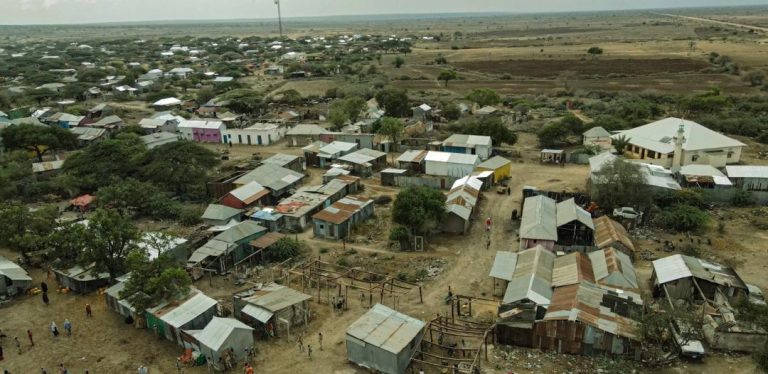
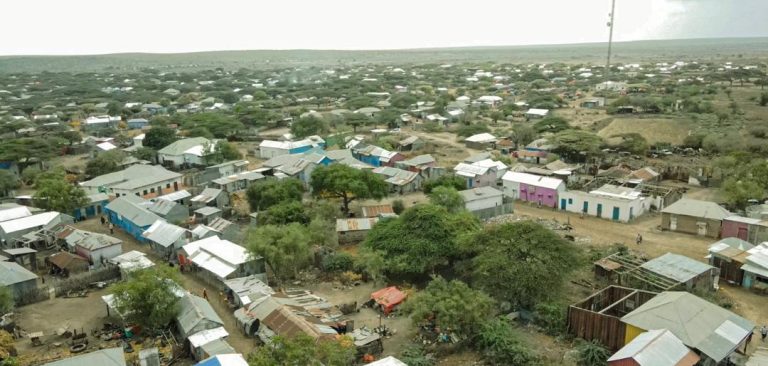
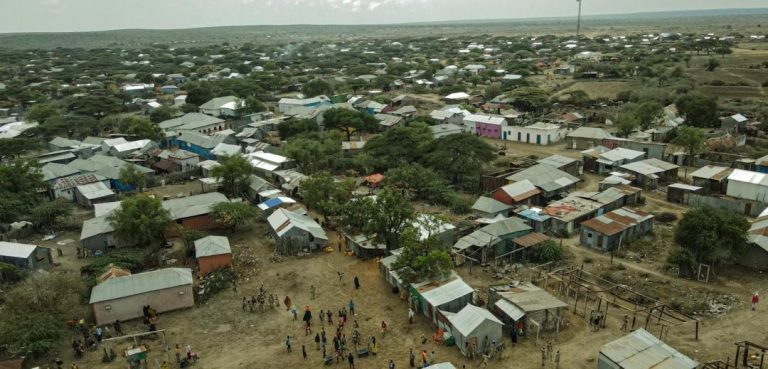
Lambar 50 has basic infrastructure, including major roads that connect the town to other regions like Mogadishu, Afgooye, and Marka Cadeey. The town also has a coastal road (Dhanaane) and a river road linking Janaale to Afgooye. Housing in the town includes structures made of stone, metal sheeting, and other locally sourced materials. Electricity, water, and sanitation services exist but are limited in their development. The town also has a health post center and an MCH (Maternal and Child Health) clinic, though the services offered are slow due to resource constraints.
"
Empowering rural livelihoods, ensuring a resilient, inclusive, and sustainable tomorrow...
Social Services
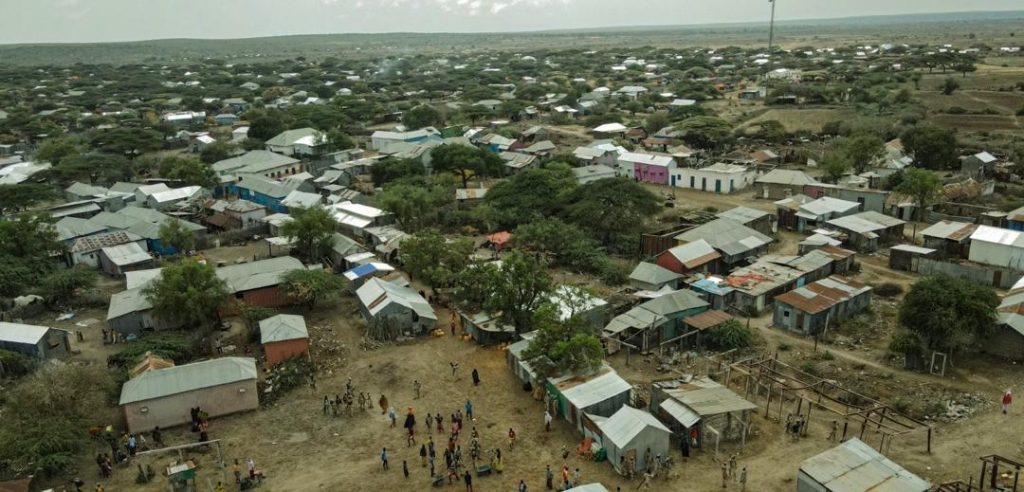
Lambar 50 has several educational facilities, including schools that provide education up to secondary level, graduating around 300 students each year. The town also has administrative offices, a police station, and a community center where cultural events and festivals are held annually. Health services are minimal, with local and international organizations supporting the MCH center.
Cultural and Social Life
Cultural activities in Lambar 50 are vibrant, with the town hosting traditional festivals and gatherings each year. Celebrations such as Shirta Waallada Gableey and other local ceremonies bring the community together. Additionally, the area is home to notable traditional entertainers, including famous comedians like the late Marshaale.
Environmental and Natural Resources
Lambar 50 is rich in natural resources, including livestock, agriculture, and untapped oil and mineral resources. However, the town faces significant environmental challenges such as deforestation and agricultural land grabbing by external entities. There is also a considerable focus on preserving specific protected areas, particularly along the coastline and oil reserves in the region.
Governance and Community Organization
The local administration of Lambar 50 includes a chairman, deputy chairman (in charge of security and politics), security chief, accountant, customs officers, a council of elders, a local court, and other administrative bodies. The town also has a women's council and various community organizations that actively contribute to governance and decision-making processes.